School Uniform Shoe List
Generic school shoe requirements based on uniform guidelines.
Girls Shoes 20
View All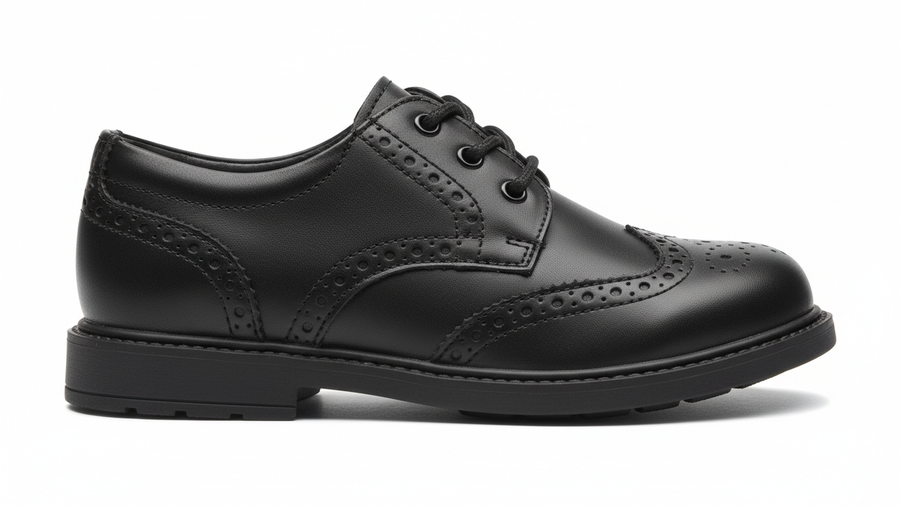
Brogue
Generic
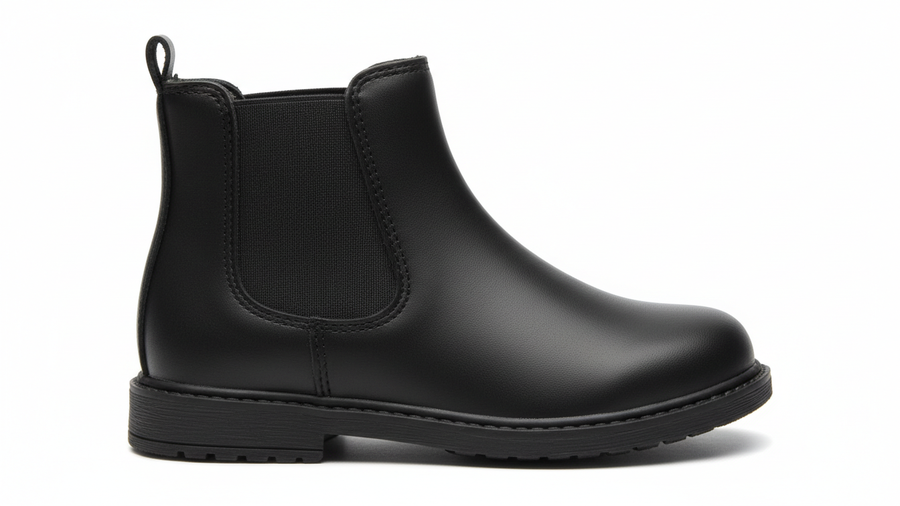
Chelsea Boot
Generic
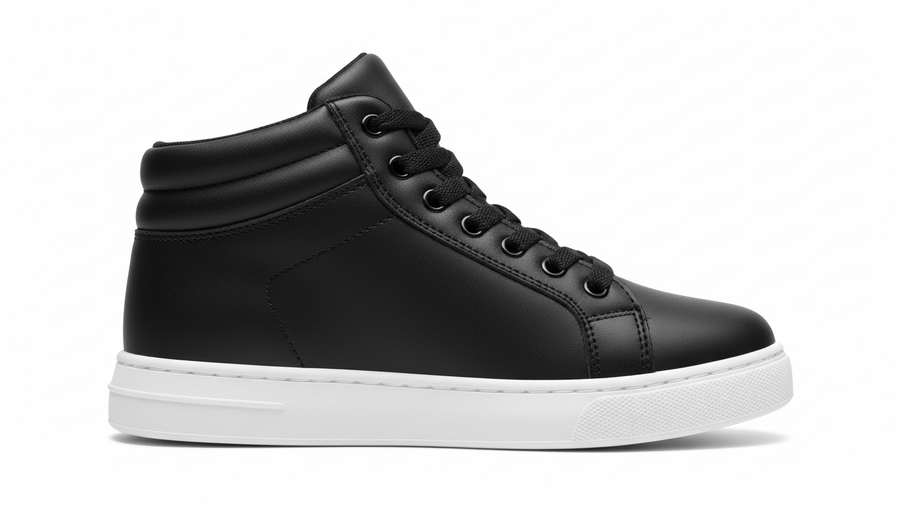
High-top Trainer
Generic
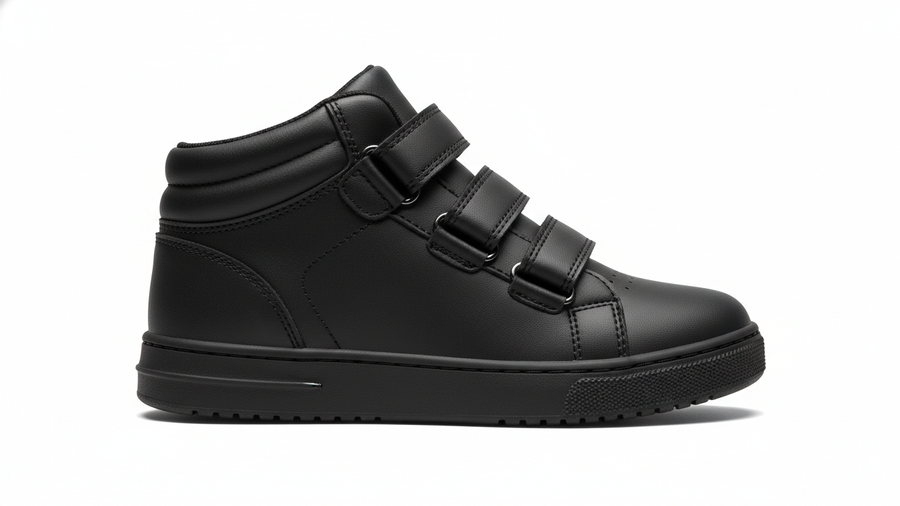
High-top Trainer (Velcro)
Generic
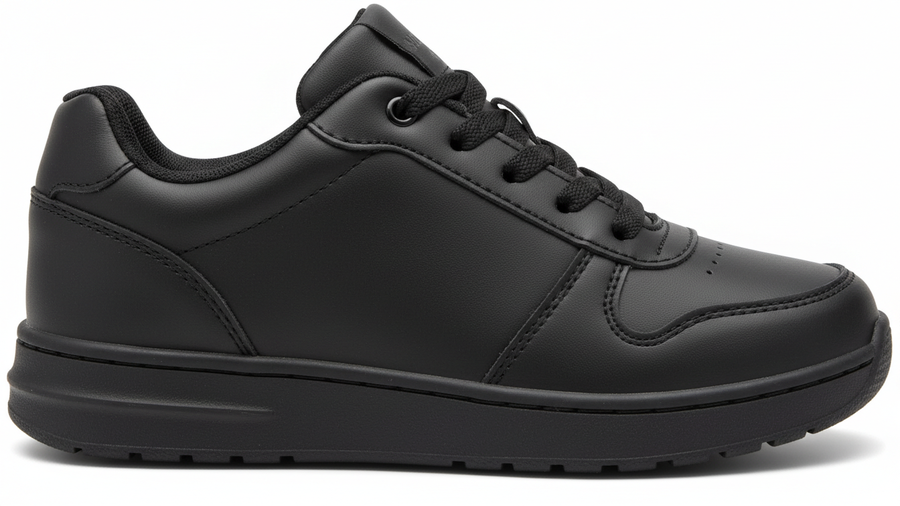
Lace Up Trainer
Generic
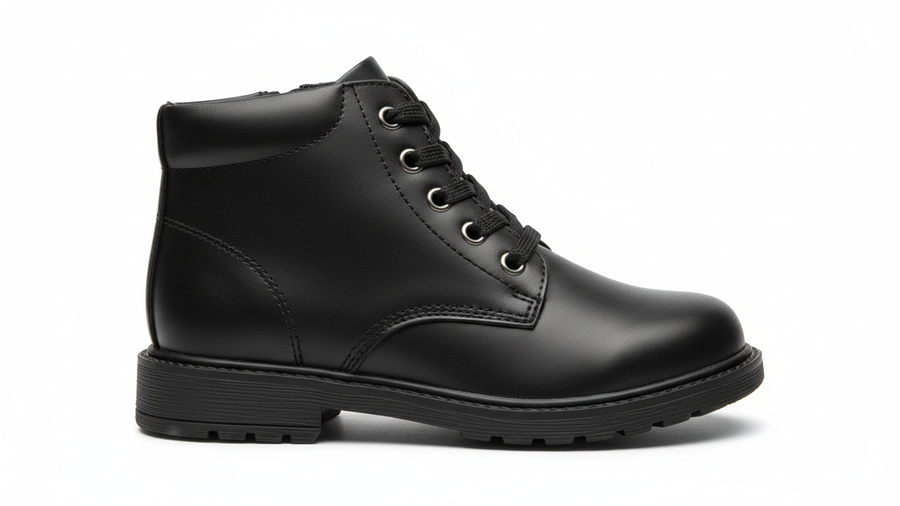
Lace-up Boot
Generic
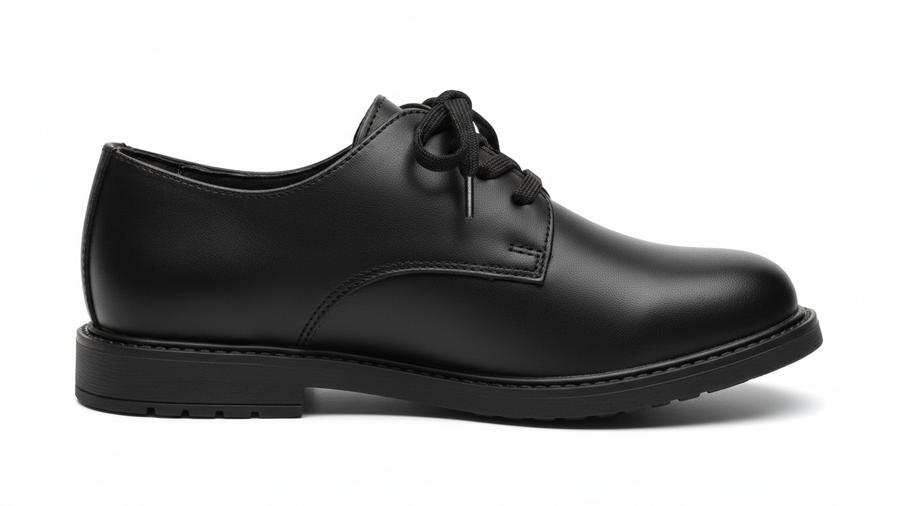
Lace-up Oxford
Generic
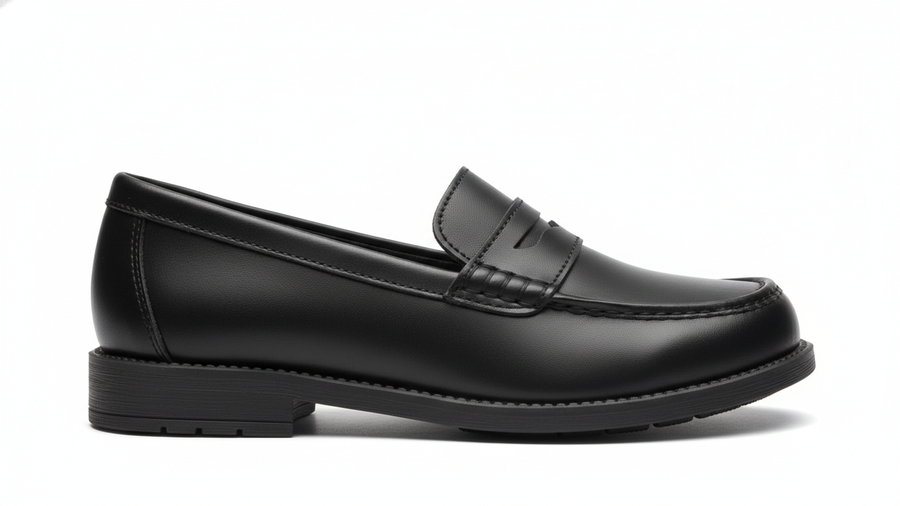
Loafer
Generic
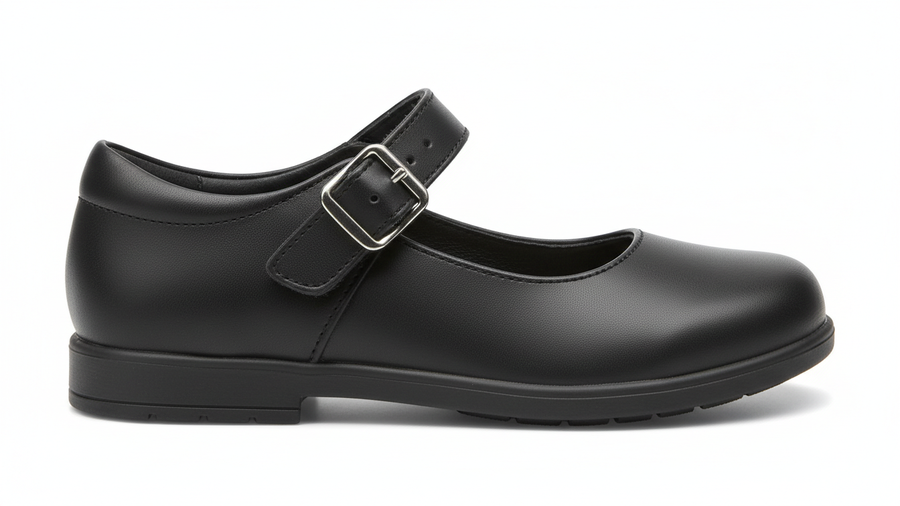
Mary Jane
Generic
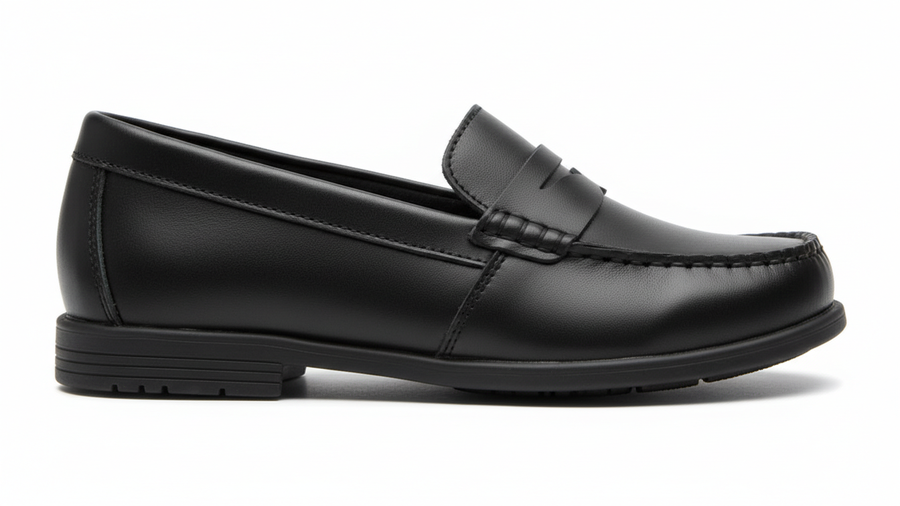
Moccasin
Generic
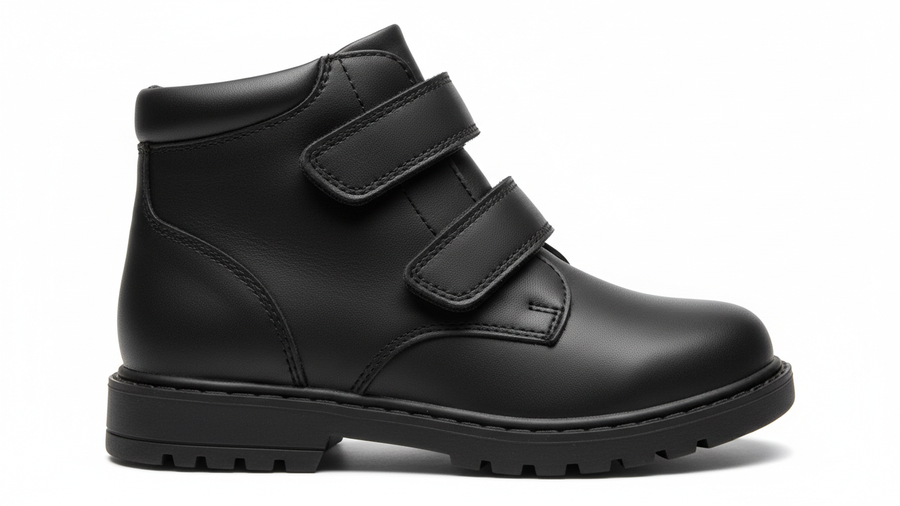
Velcro Boot
Generic
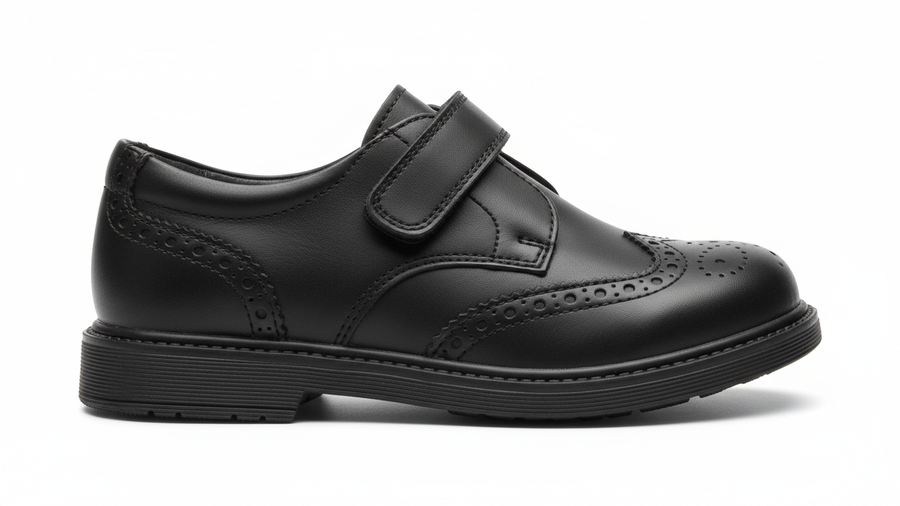
Velcro Brogue
Generic
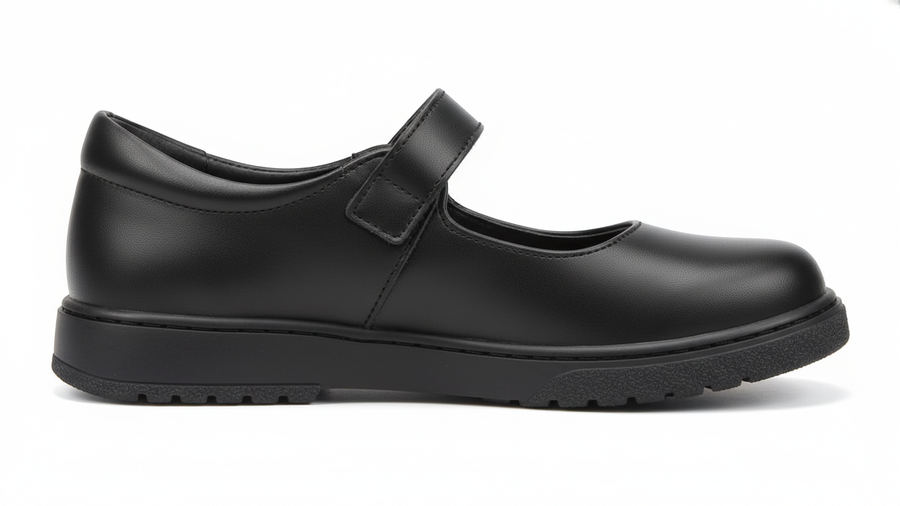
Velcro Mary Jane
Generic
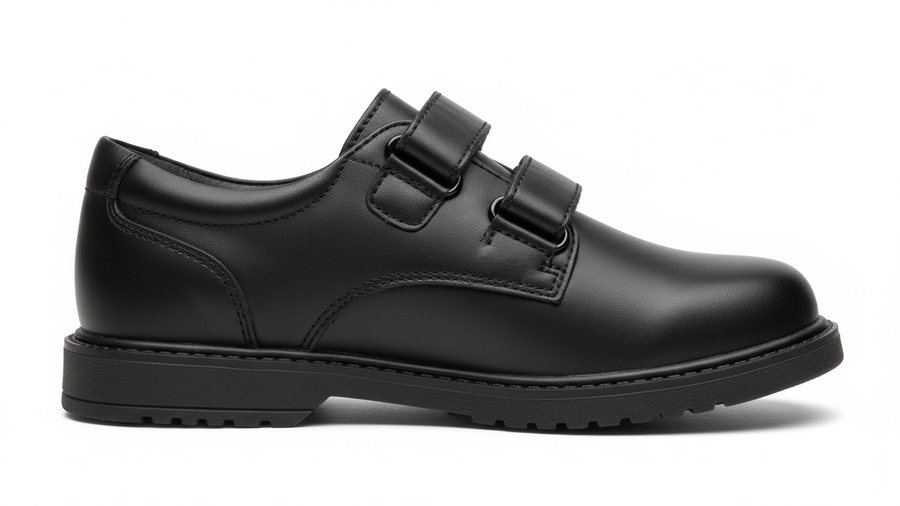
Velcro Oxford
Generic
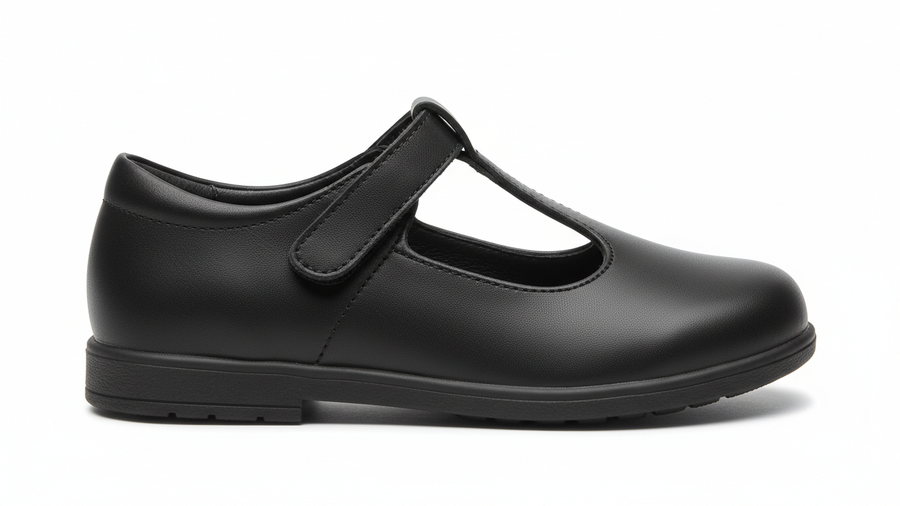
Velcro T-Bar
Generic
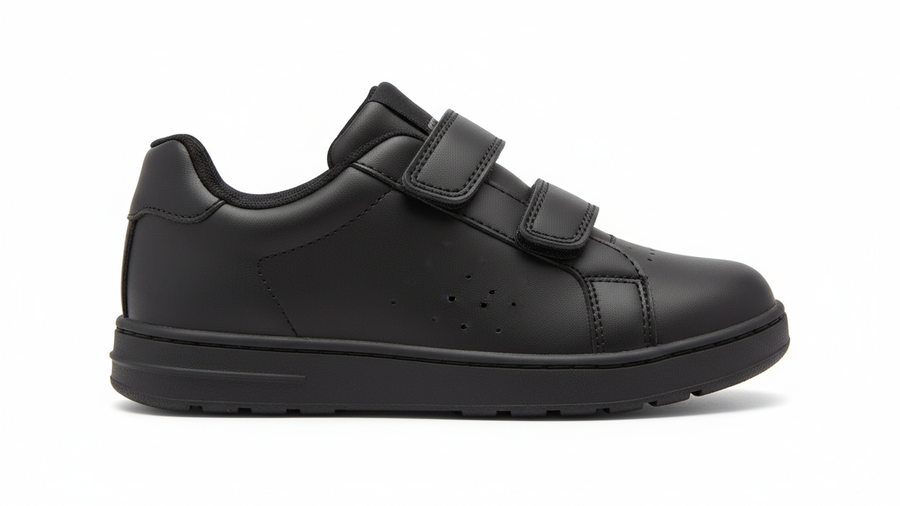
Velcro Trainer
Generic
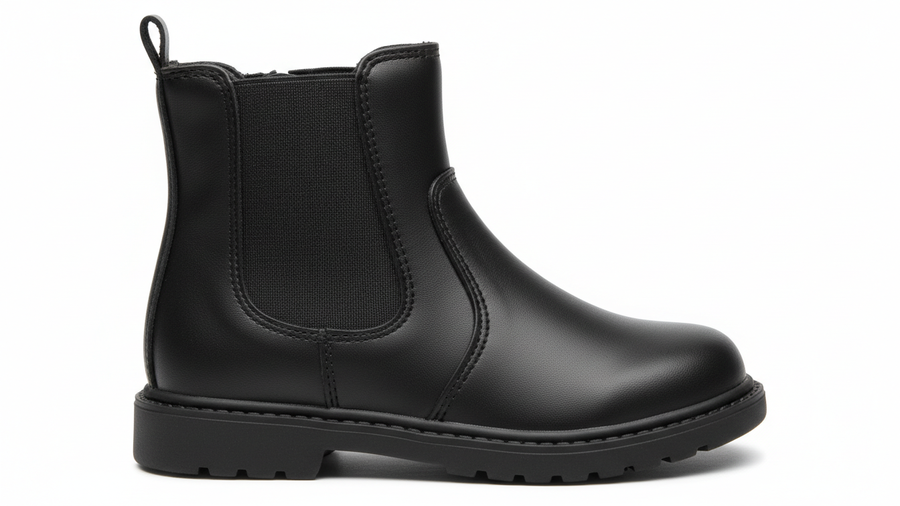
Zip Chelsea Boot
Generic
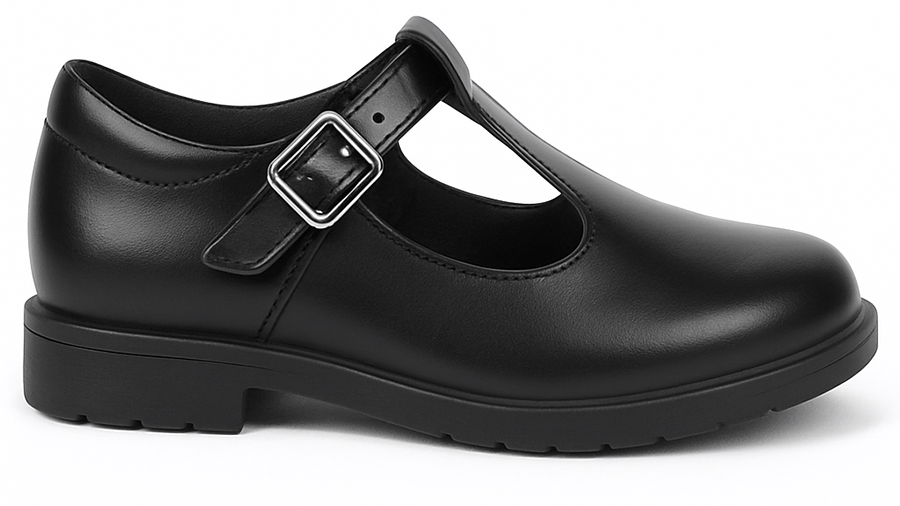
T-Bar Shoe
Generic
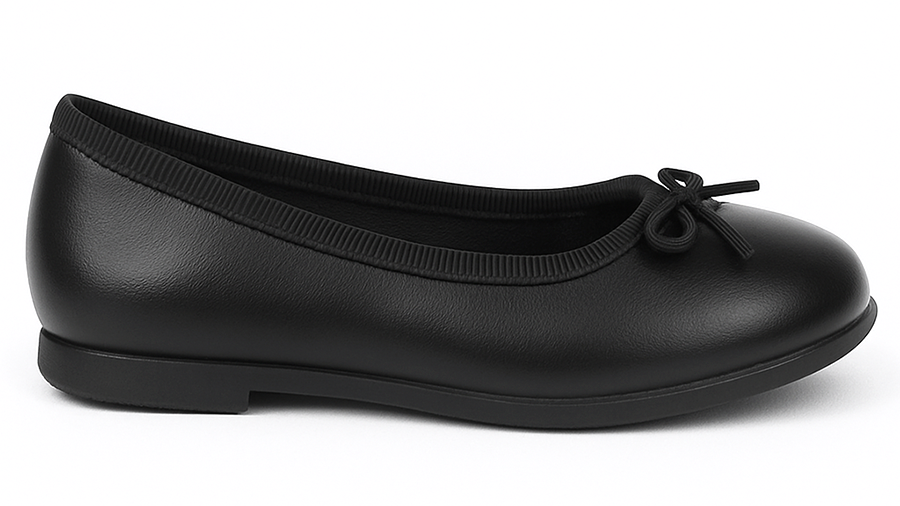
Slip-on Ballet Pump
Generic
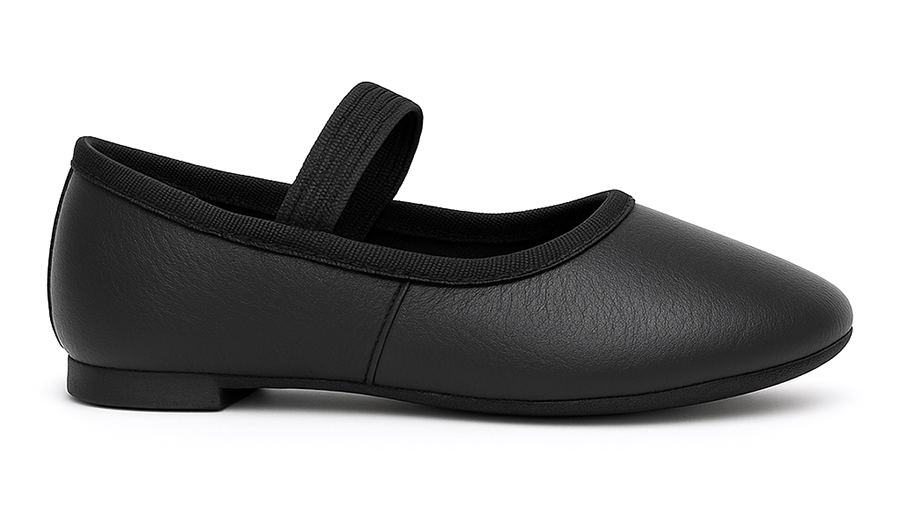
Elastic Ballet pump
Generic
Boys Shoes 16
View All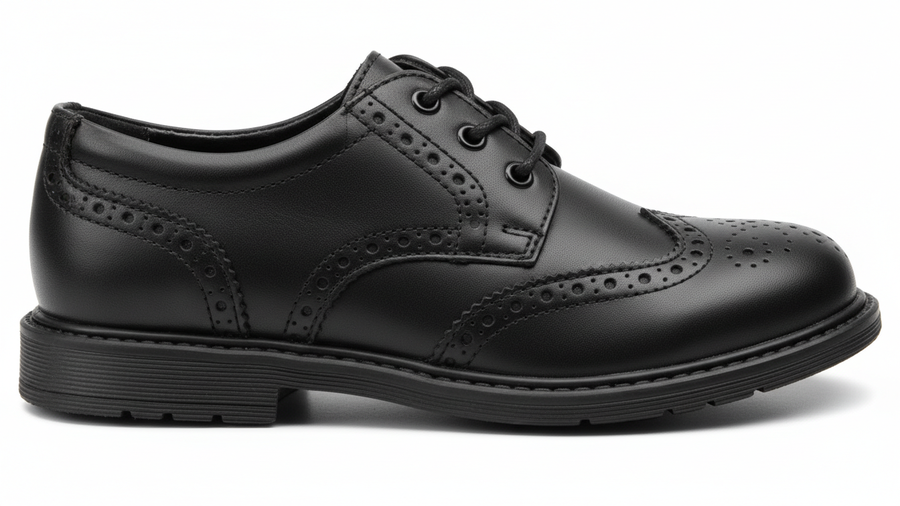
Brogue
Generic
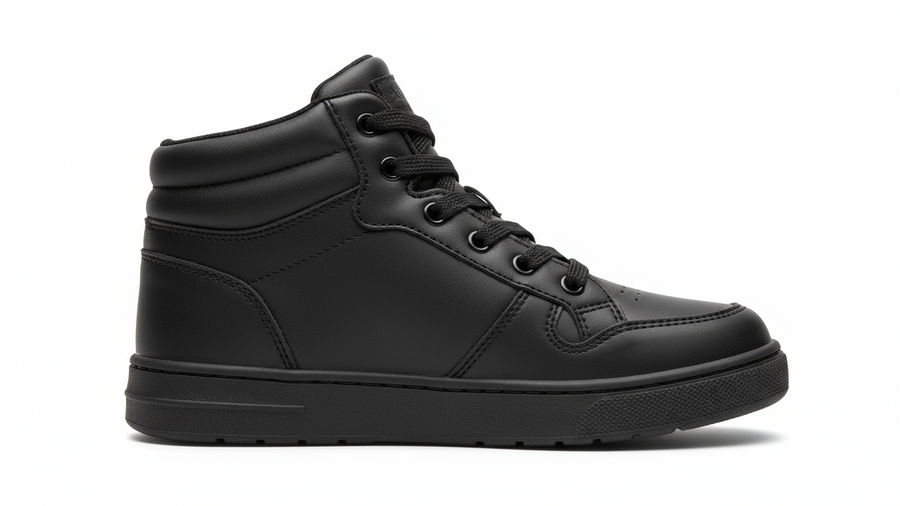
High-top Trainer
Generic
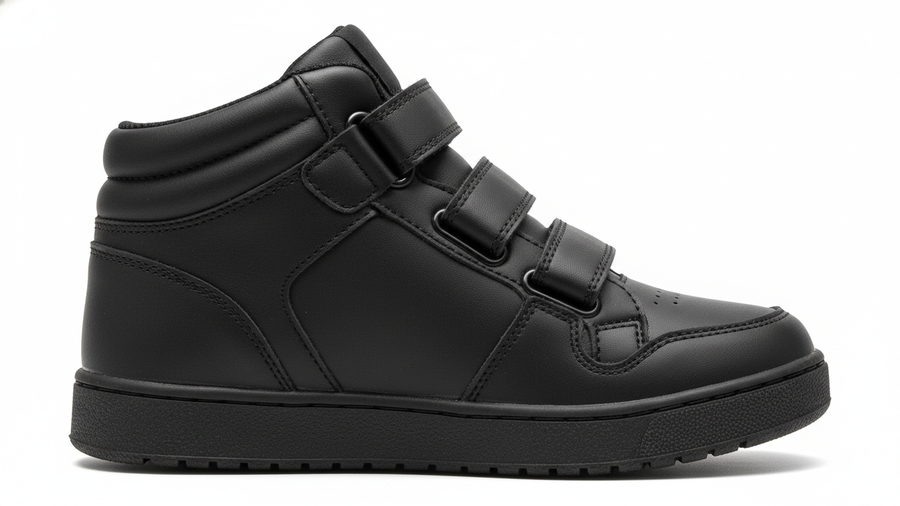
High-top Trainer (Velcro)
Generic
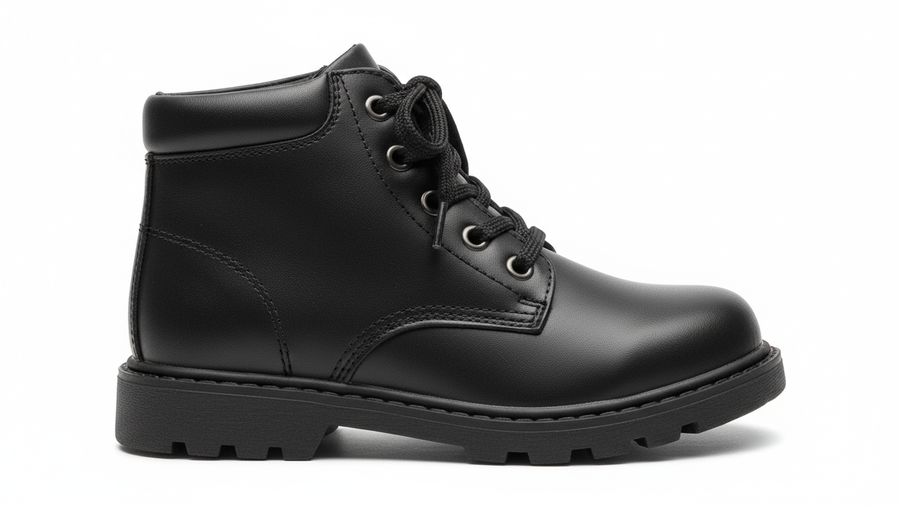
Lace-up Boot
Generic
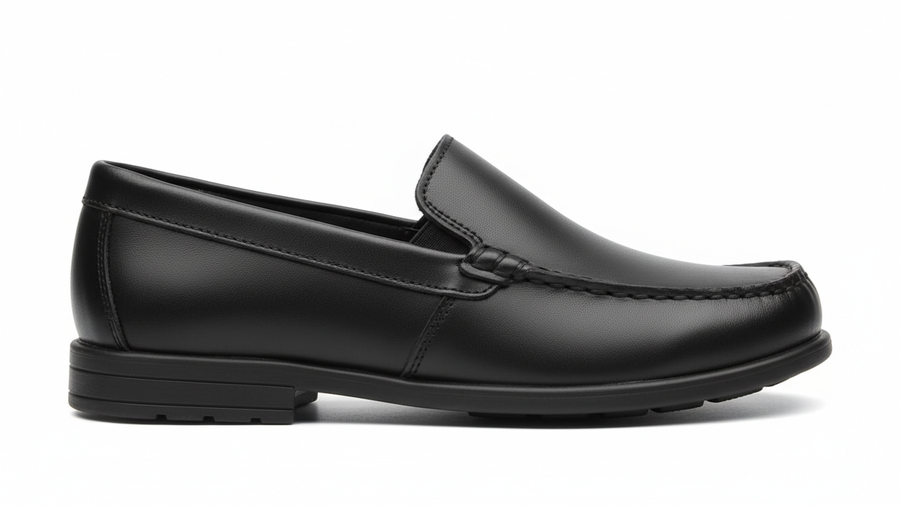
Moccasin
Generic
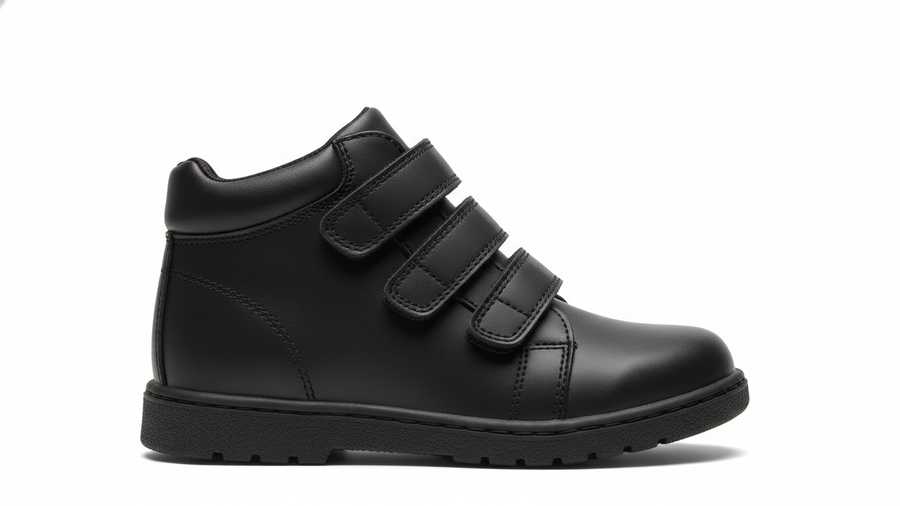
Velcro Boot
Generic
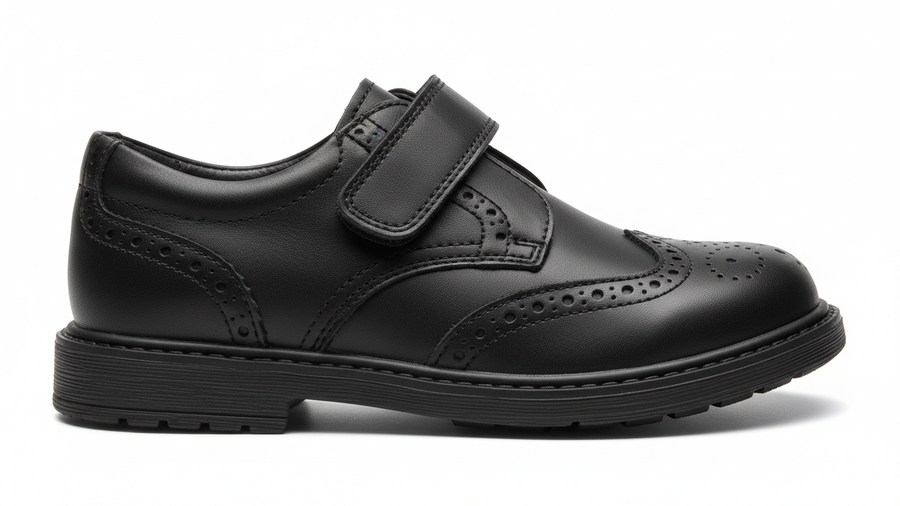
Velcro Brogue
Generic
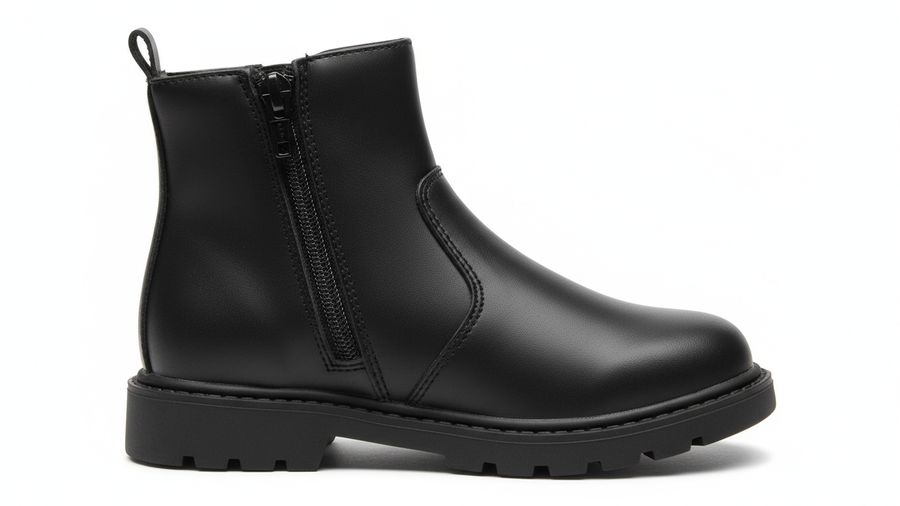
Zip Chelsea Boot
Generic
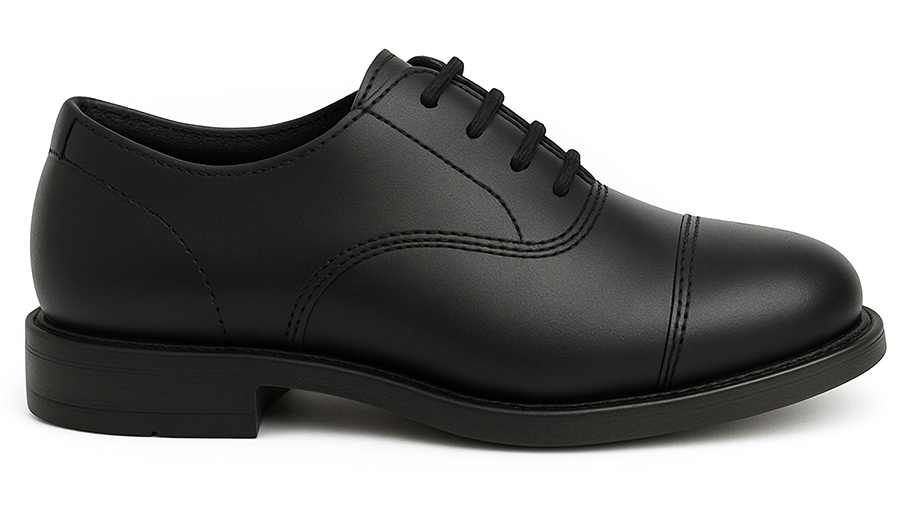
Classic Lace-up Oxford
Generic
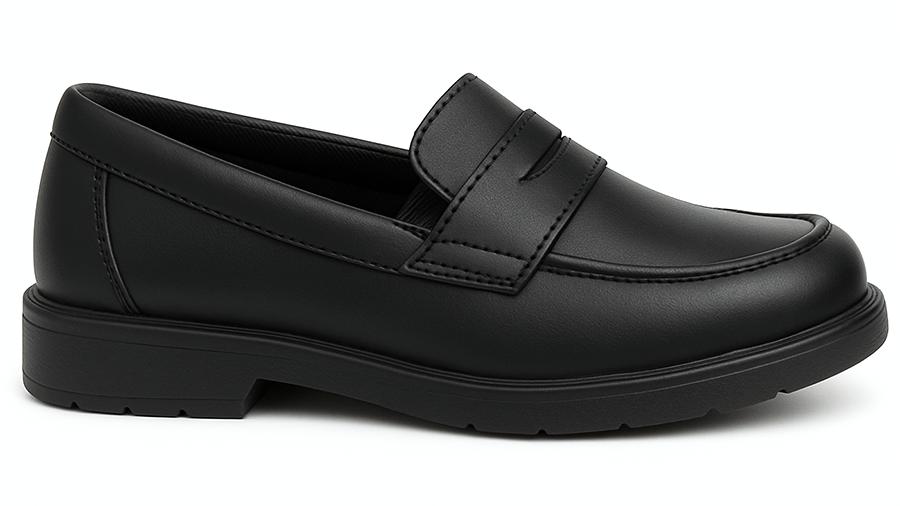
Slip-on Loafer
Generic
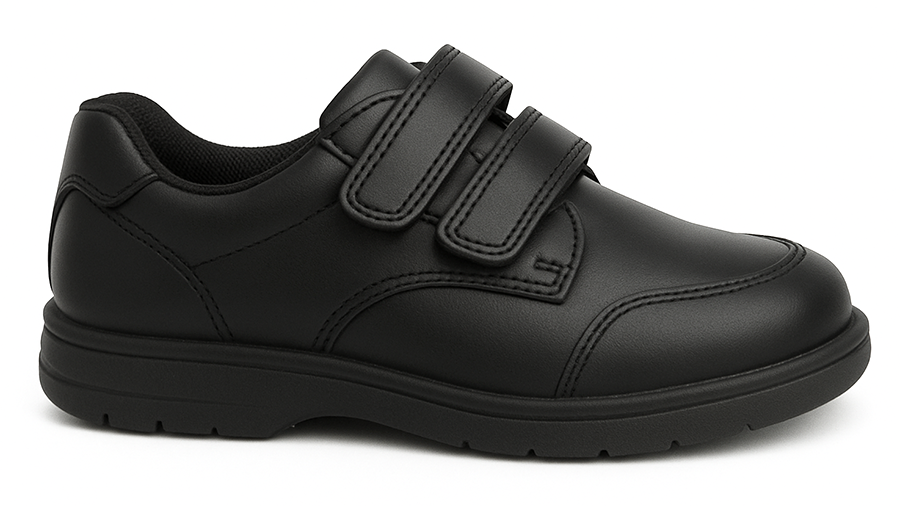
Velcro Fastening Shoe
Generic
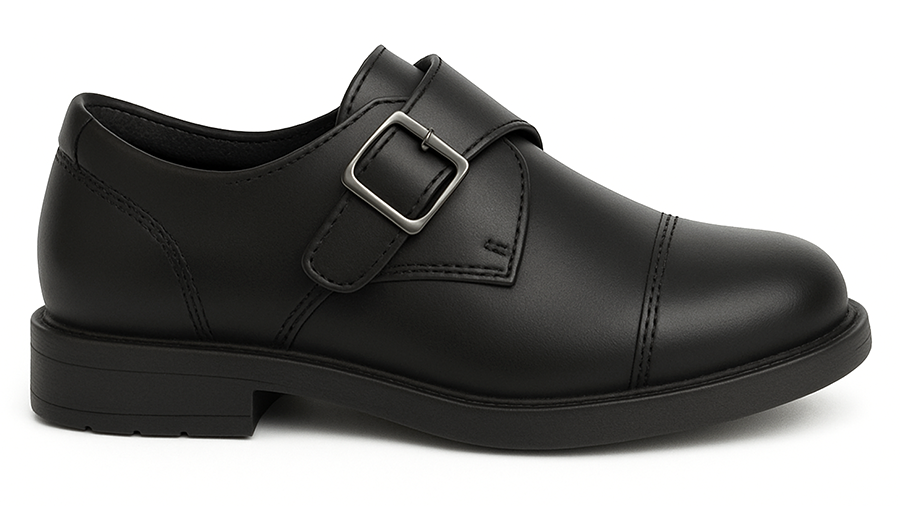
Formal Monk Strap
Generic
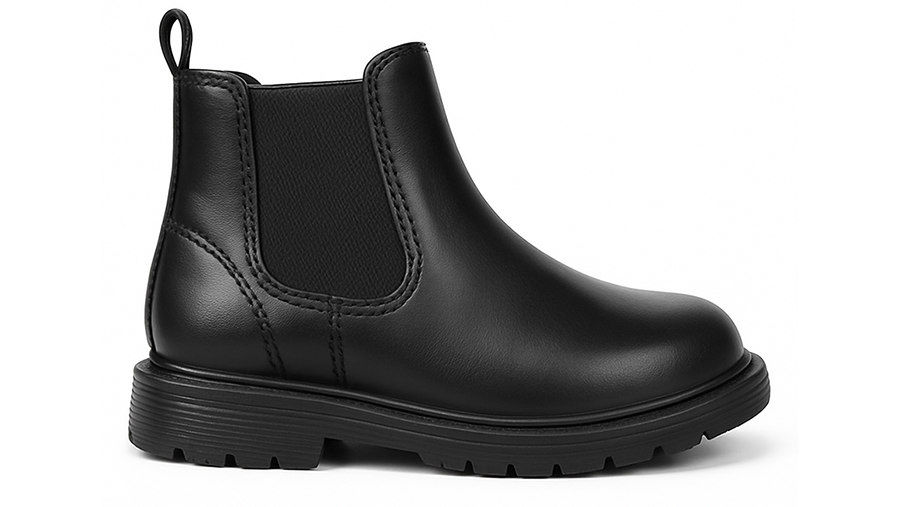
Chelsea Boot
Generic
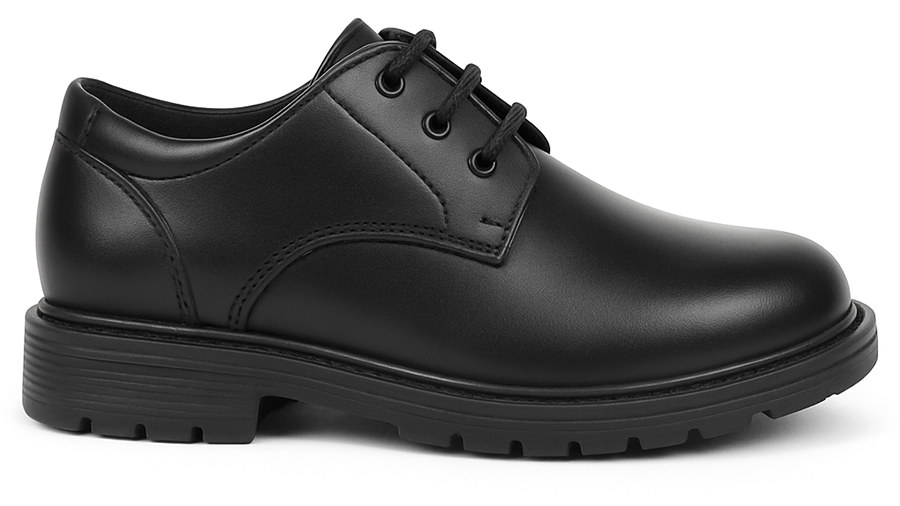
Derby Shoe
Generic
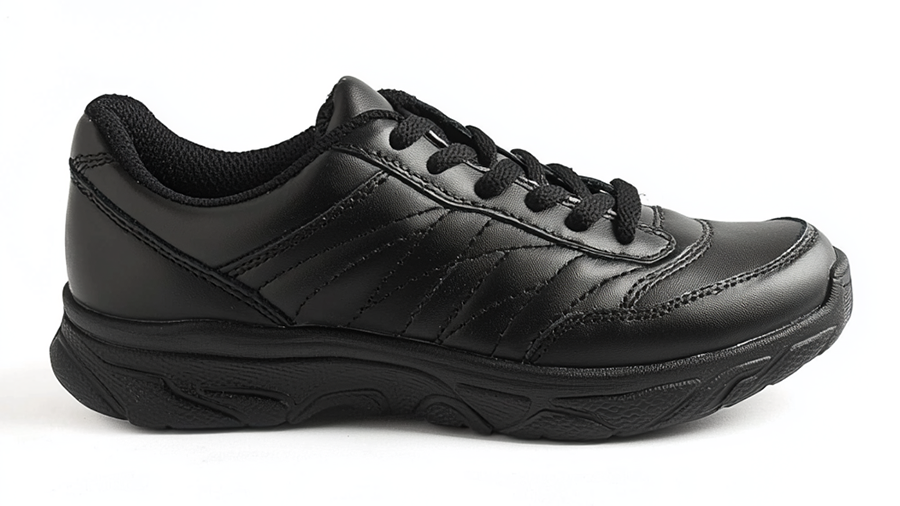
Lace Up Trainer
Generic
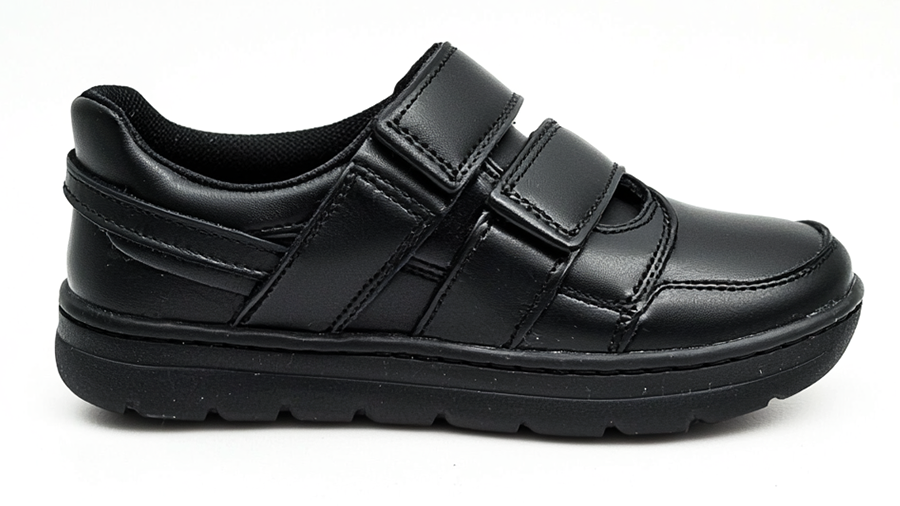
Velcro Trainer
Generic
Sports Shoes 12
View All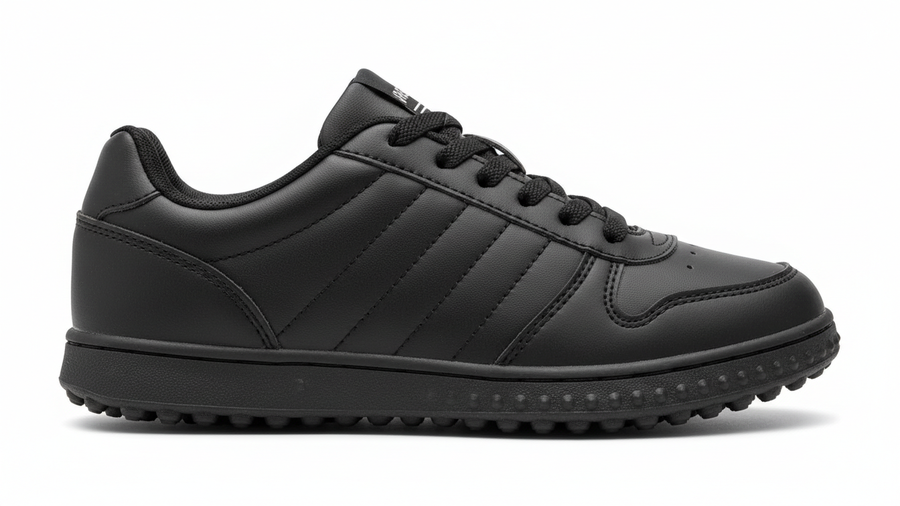
Astro Trainers
Generic
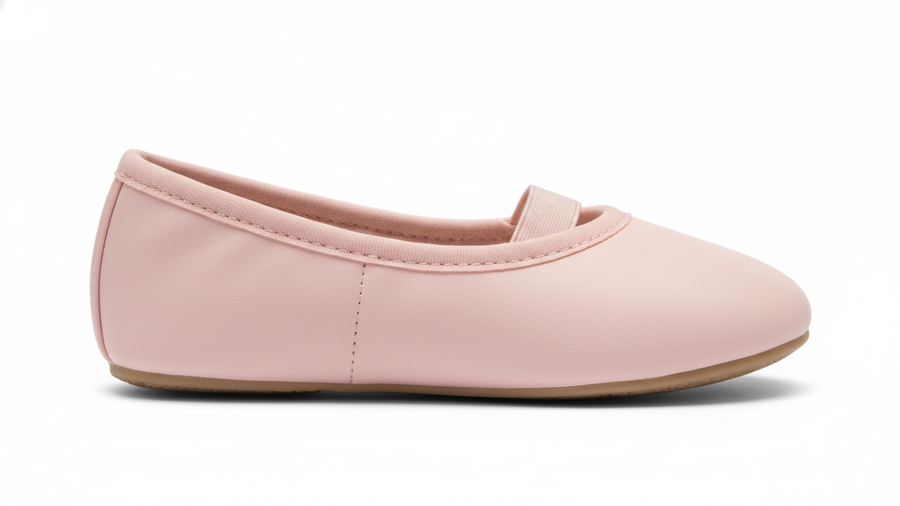
Ballet Shoes
Generic
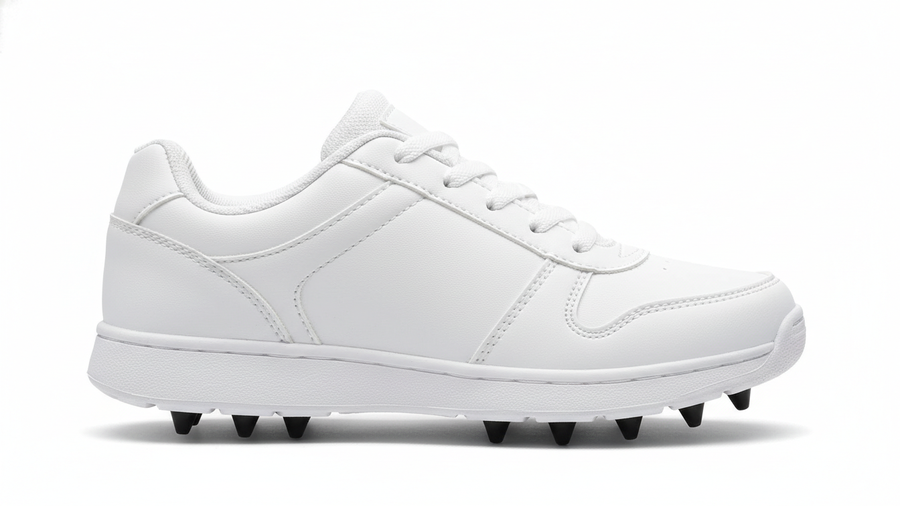
Cricket Shoes
Generic
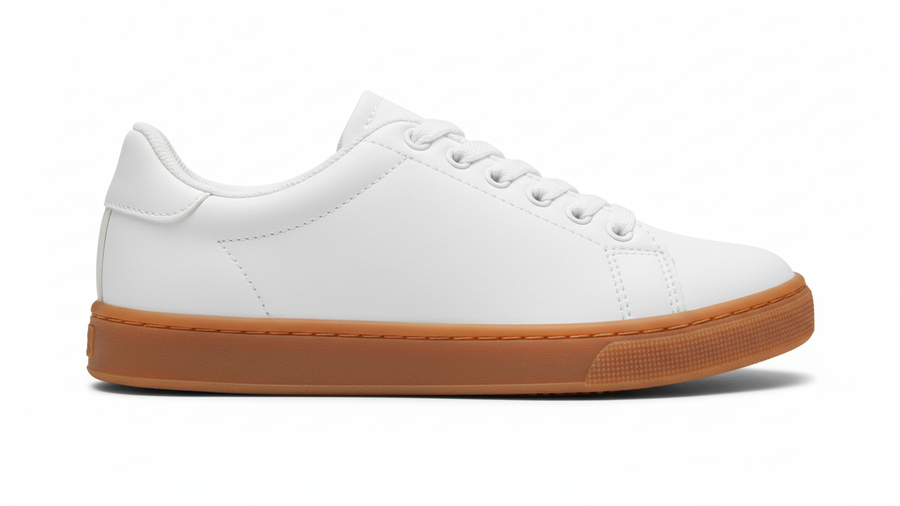
Indoor Court Shoes
Generic
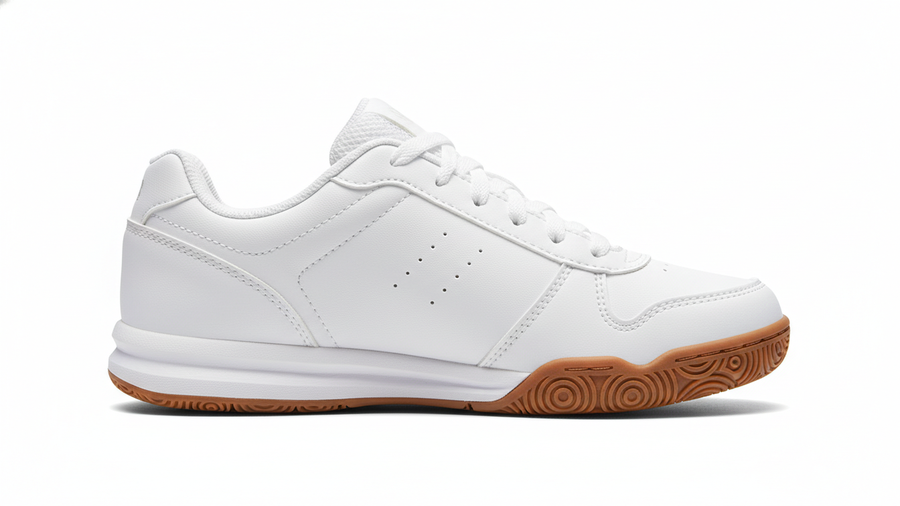
Netball Trainers
Generic
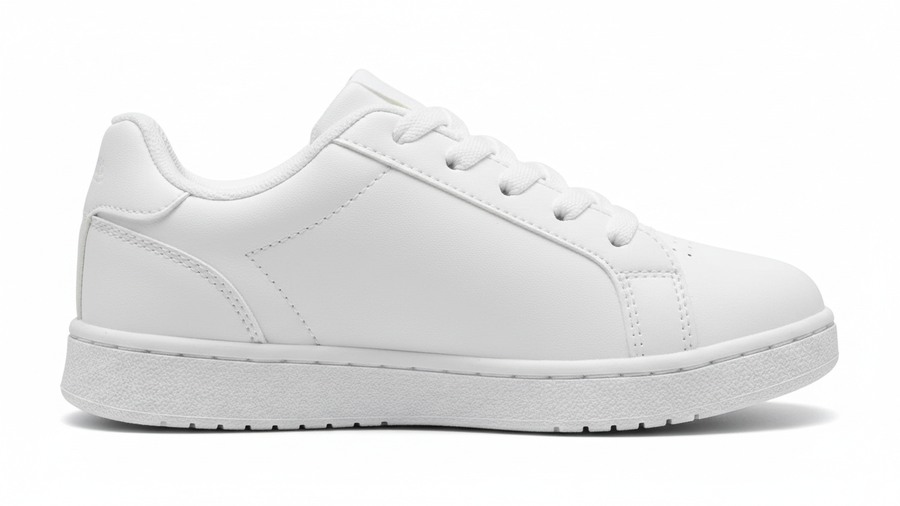
PE Trainers
Generic
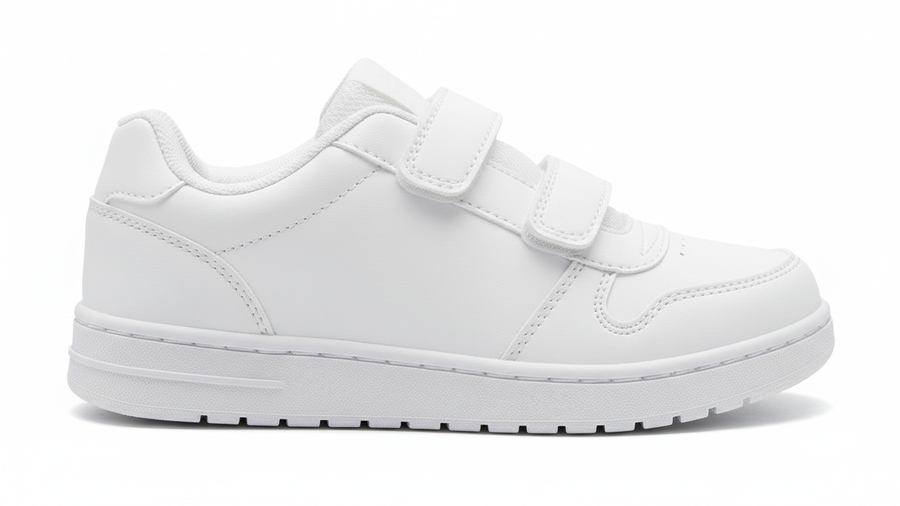
PE Trainers (Velcro)
Generic
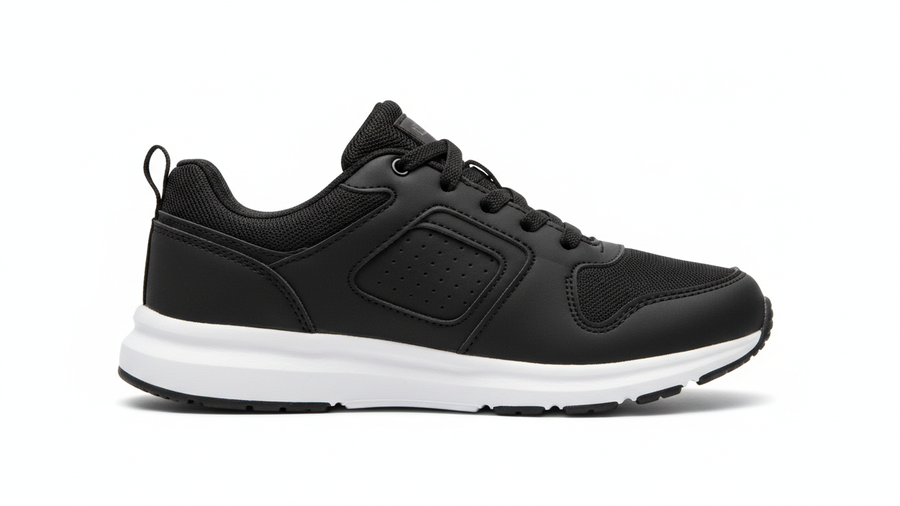
Running Trainers
Generic
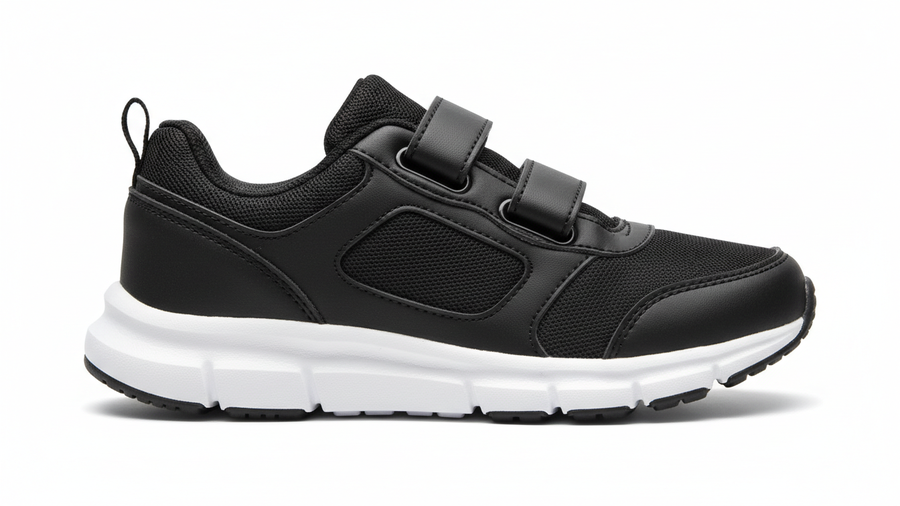
Running Trainers (Velcro)
Generic
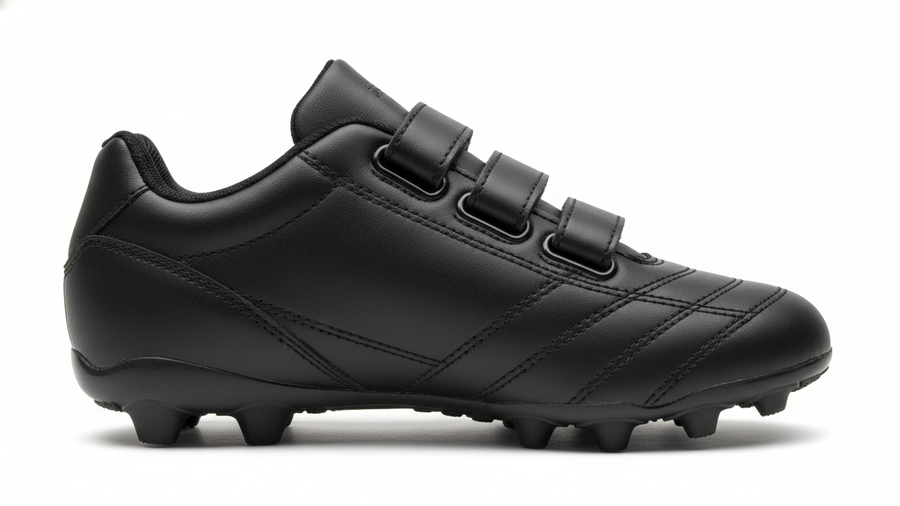
Velcro Football Boots
Generic
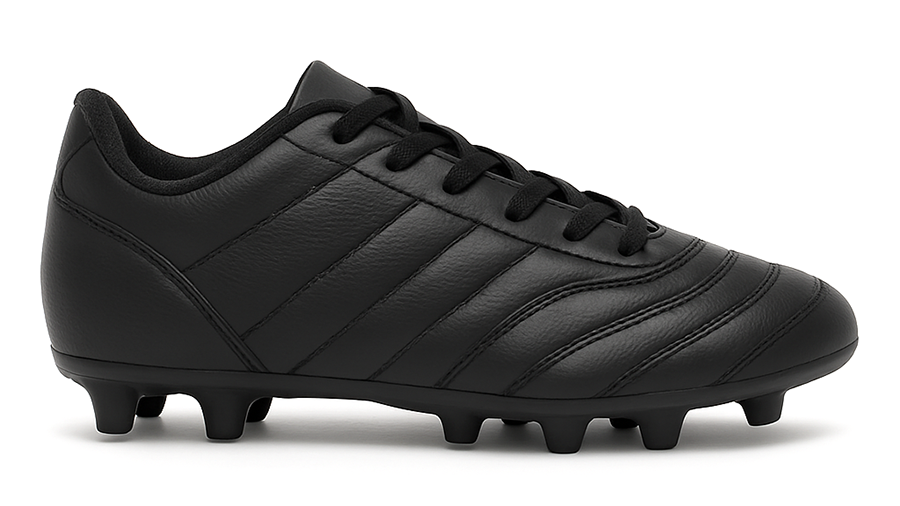
Football Boots
Generic
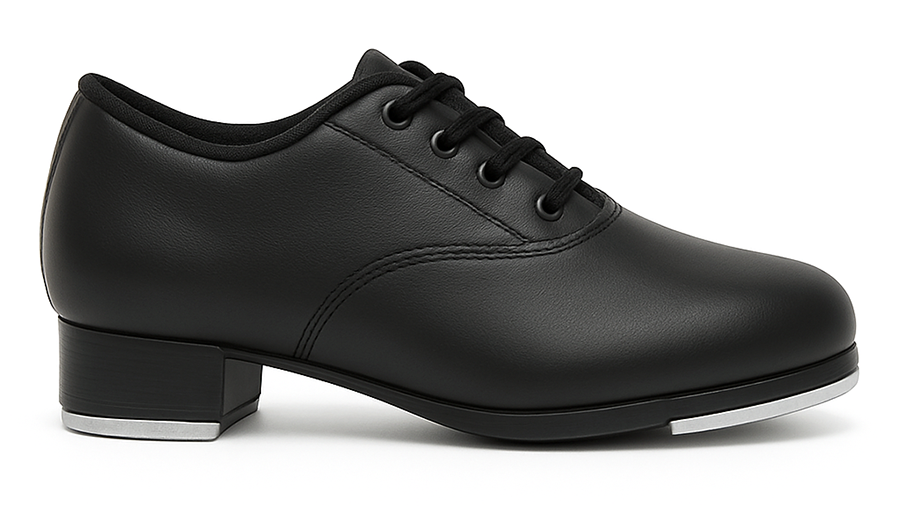
Tap Dancing Shoes
Generic
Not Permitted
- Pumps
- High heels
- Patent leather
- Suede
- Coloured soles
- Logos
- Platform shoes
- Wedges
- Equestrian
- Rugby
- Canvas shoes
School Shoe Fitting Guidelines
Children's feet grow quickly - they may need new shoes every 3-4 months depending on age and activity level.
Check for Proper Fit:
- Allow approximately half an inch (1.3 cm) of space between the longest toe and the front of the shoe
- Ensure the width is comfortable with no pinching or bulging
- The heel should fit snugly without slipping
- Shoes should be comfortable immediately - no "breaking in" period needed
When to Replace:
- When there's less than half an inch of growing room
- If the shoe shows signs of wear or damage
- If your child complains of discomfort or pain
- Check regularly for redness or blisters on your child's feet
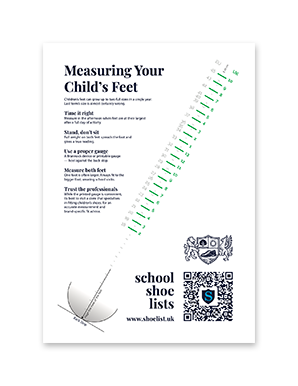
Measuring Tips:
- Measure both feet while standing
- Measure at the end of the day when feet are at their largest
- Have your child wear the type of socks they'll wear with the shoes
- Use the measuring gauge on page 2 only if you can't get the shoes fitted professionally
- Shoes from different brands may have different sizing, so it's important to try them on